
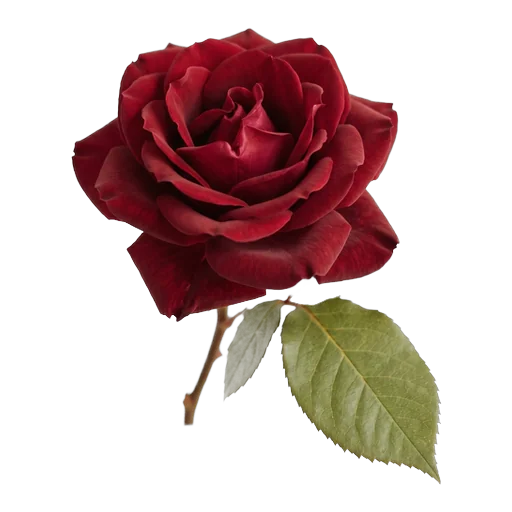
Turkish Rose
Turkish rose (Rosa damascena from the Isparta valley) yields one of perfumery's most prized absolutes · deep, slightly honeyed, faintly spicy. Distinct from Bulgarian rose by its fuller, more jammy character.
About Turkish Rose
Rosa damascena is grown commercially in two regions: the Valley of Roses in Bulgaria and the Isparta valley in southwestern Turkey. Both yield rose otto (steam-distilled essential oil) and rose absolute (solvent-extracted), but the Turkish material is slightly warmer, fuller, and more honeyed than the Bulgarian equivalent. It takes roughly four tonnes of fresh roses to produce one kilo of rose otto · making it one of the most expensive raw materials in perfumery at €6,000-€10,000 per kilo. The note appears in nearly every "rose" composition that targets a luxurious, deep-floral character: Tom Ford Rose Prick, Frédéric Malle Une Rose, Maison Francis Kurkdjian À la Rose.
Featured in 27 The Fragrance World perfumes
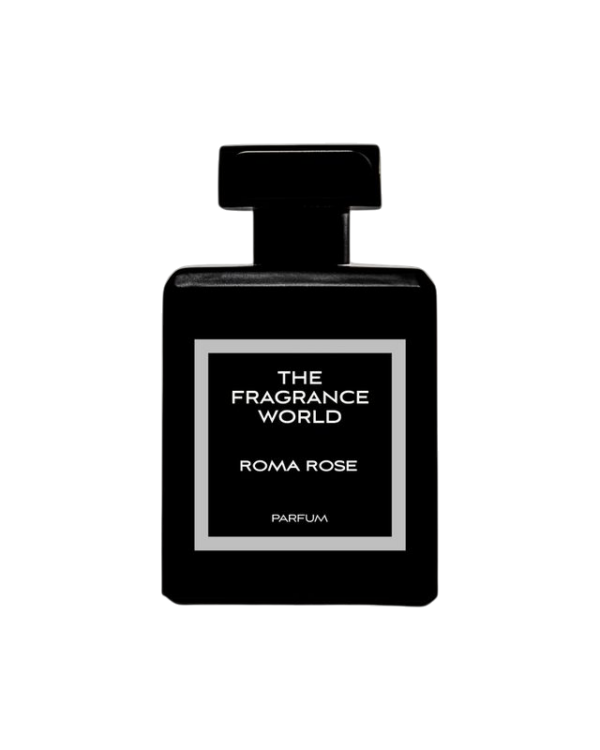
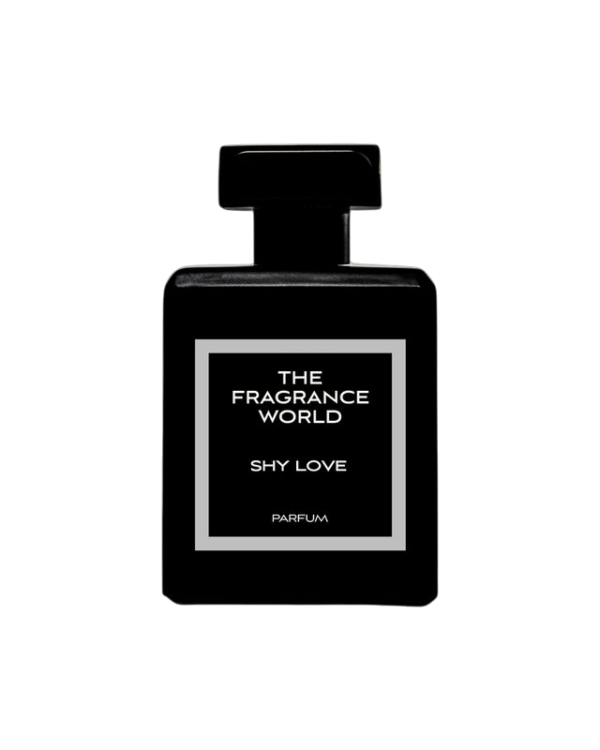
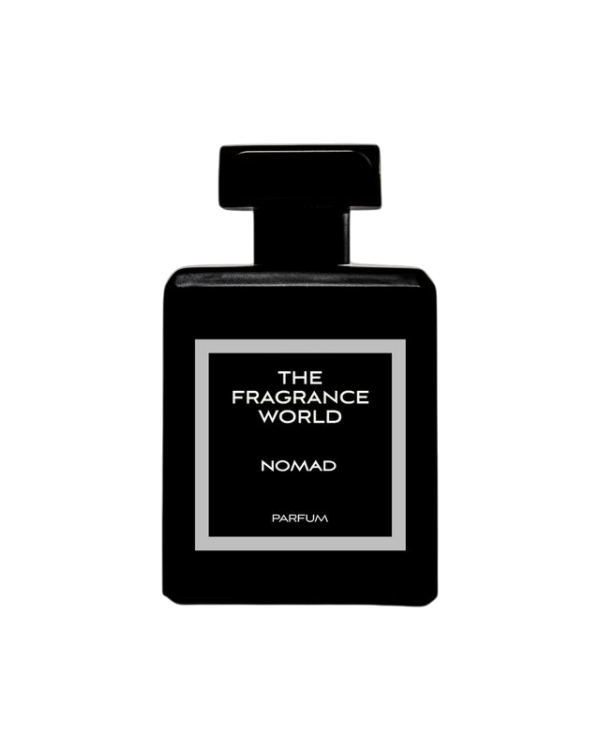
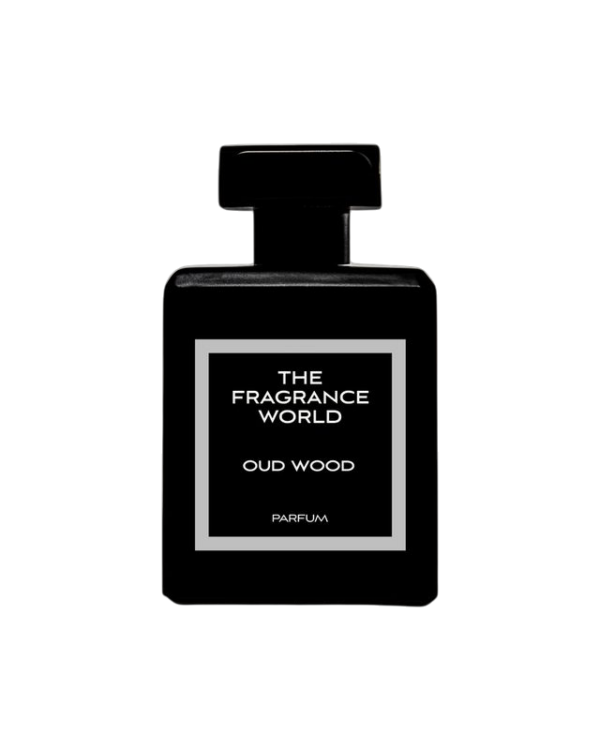
Common questions about Turkish Rose
- What does Turkish Rose smell like?
- Turkish rose (Rosa damascena from the Isparta valley) yields one of perfumery's most prized absolutes · deep, slightly honeyed, faintly spicy. Distinct from Bulgarian rose by its fuller, more jammy character.
- Where does Turkish Rose come from?
- Isparta valley, Turkey
- Is Turkish Rose a top, heart, or base note?
- Heart
- Which TFW fragrances feature Turkish Rose?
- 27 TFW fragrances currently feature Turkish Rose. See the list on this page for the full set.