

Musk
Musk is the warm, soft, skin-like base note that anchors roughly 90 percent of all fine fragrances · originally extracted from the gland of the male musk deer, now produced entirely as synthetic molecules (Galaxolide, Habanolide, Muscone) for ethical and supply reasons.
About Musk
The word "musk" comes from the Sanskrit muska (meaning testicle), referring to the scent gland on the male musk deer (Moschus moschiferus). Animal musk was prized in perfumery for over a thousand years for its uniquely complex skin-warmth aroma and exceptional fixative properties · perfumes containing real deer musk could still smell strong on a handkerchief 40 years later. The animal source was banned in the EU and UK in 1979 (CITES Appendix I) and modern perfumery uses entirely synthetic alternatives · polycyclic musks (Galaxolide, Tonalide) for cheaper compositions, macrocyclic musks (Muscone, Exaltolide, Helvetolide) for niche and luxury work. Musk anchors the soft, "almost-skin" warmth of almost every modern fragrance · without it most perfumes would last 30-60 minutes instead of 6-12 hours. Roughly 1-30% of the population is anosmic to specific musk molecules, which is why some people genuinely cannot smell certain fragrances that everyone else perceives clearly. See also our long-form explainer on musk in perfumery.
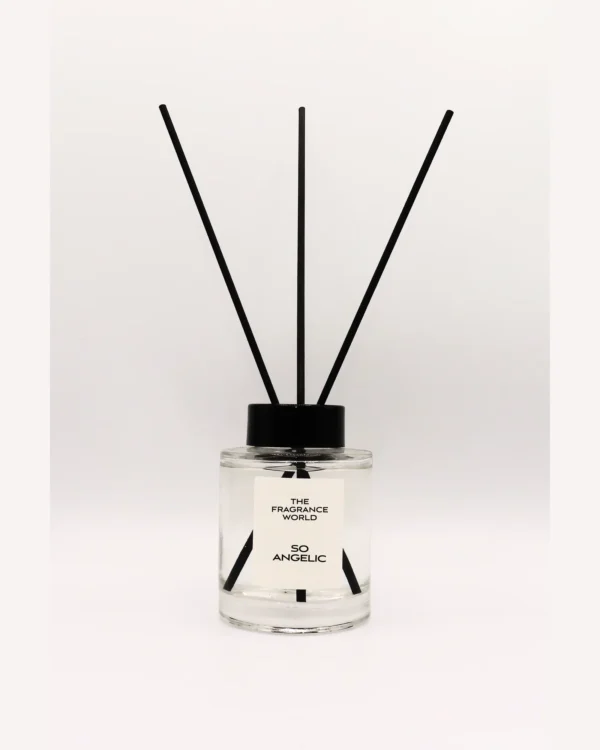
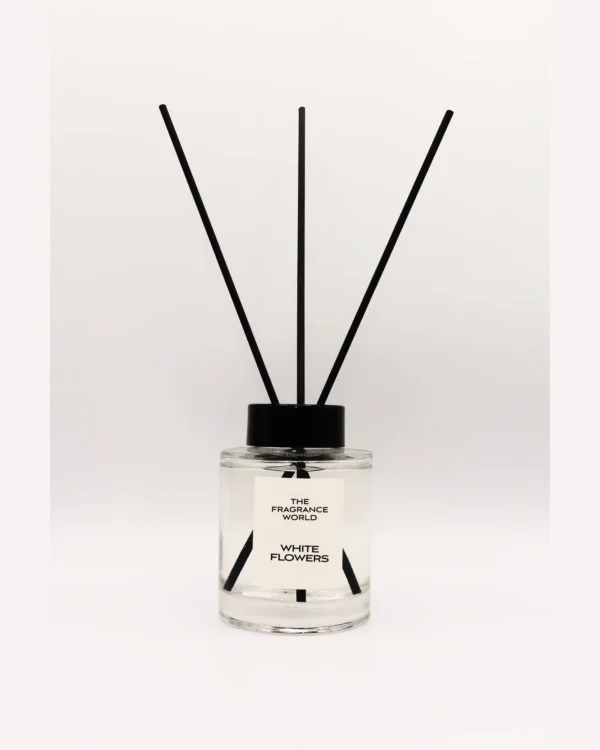
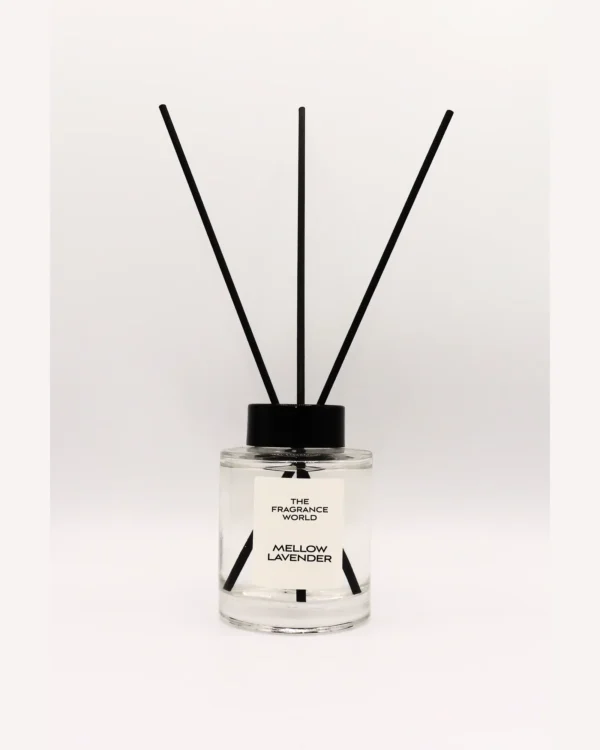
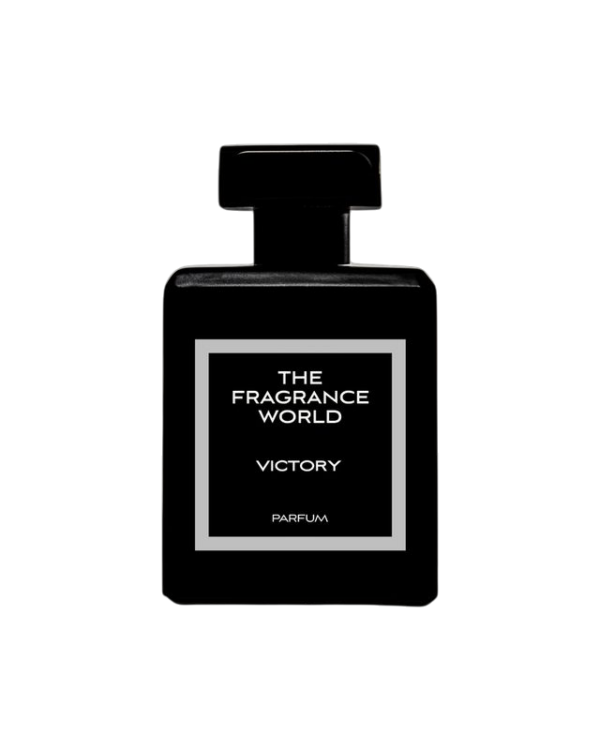
Featured in 43 The Fragrance World perfumes
Common questions about Musk
- What does Musk smell like?
- Musk is the warm, soft, skin-like base note that anchors roughly 90 percent of all fine fragrances · originally extracted from the gland of the male musk deer, now produced entirely as synthetic molecules (Galaxolide, Habanolide, Muscone) for ethical and supply reasons.
- Where does Musk come from?
- Synthetic accord (originally male musk deer, banned 1979)
- Is Musk a top, heart, or base note?
- Base
- Which TFW fragrances feature Musk?
- 43 TFW fragrances currently feature Musk. See the list on this page for the full set.