
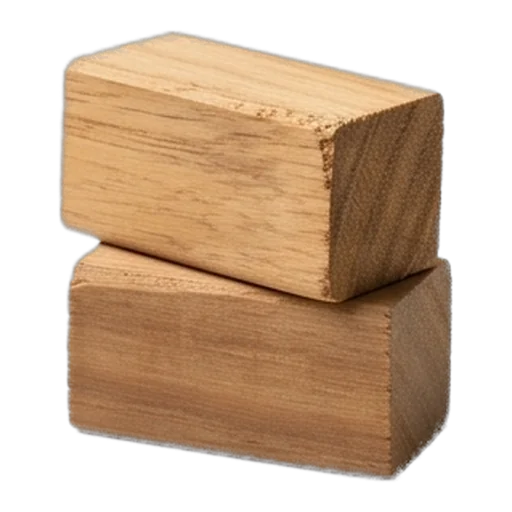
Sandalwood
Mysore sandalwood (Santalum album) is the legendary perfumery wood · creamy, soft, slightly milky, with a meditative quality unlike any other base note. Indian Mysore is now strictly regulated; most commercial sandalwood is now Australian Santalum spicatum.
About Sandalwood
True Mysore sandalwood from southern India was the perfumery gold standard for centuries · its old-growth trees yield the heaviest, sweetest, most complex sandalwood absolute. Indian export controls and over-harvesting have since severely restricted supply. Modern commercial fragrance now uses Australian sandalwood (Santalum spicatum) or New Caledonian sandalwood, both of which are slightly drier and less creamy than Mysore. The note anchors Le Labo Santal 33, Tom Ford Santal Blush, Comme des Garçons 2002, and the entire "creamy woody" category. Synthetic alternatives (Sandalore, Ebanol) supplement natural material in nearly all commercial formulations.
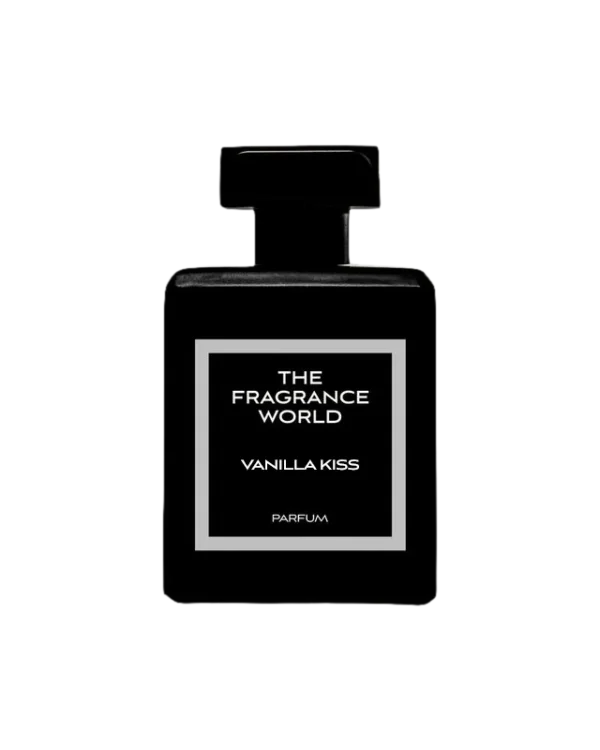
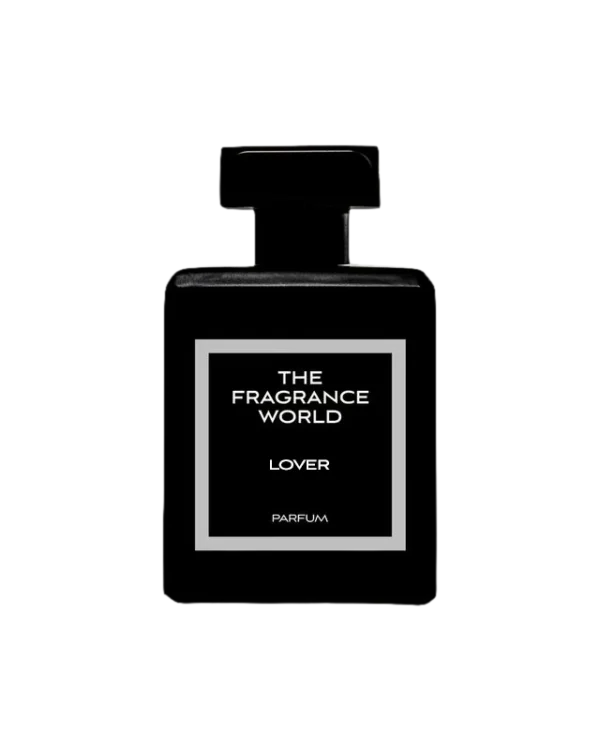
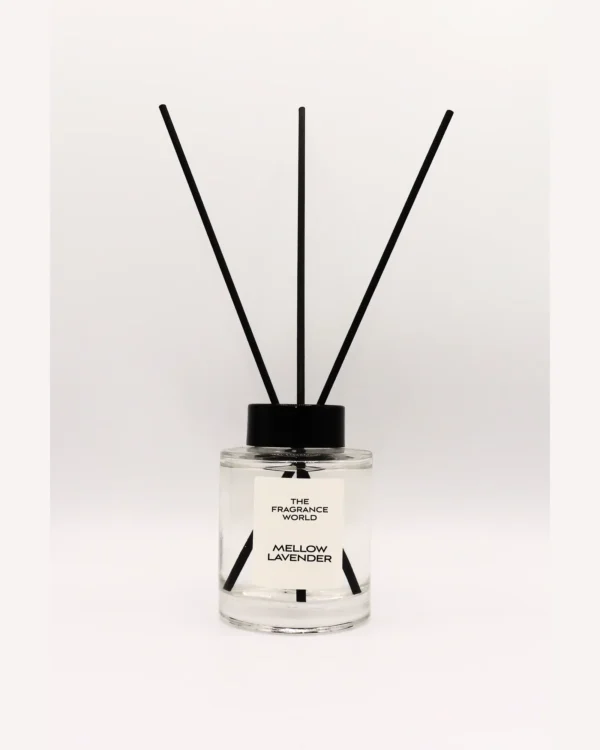
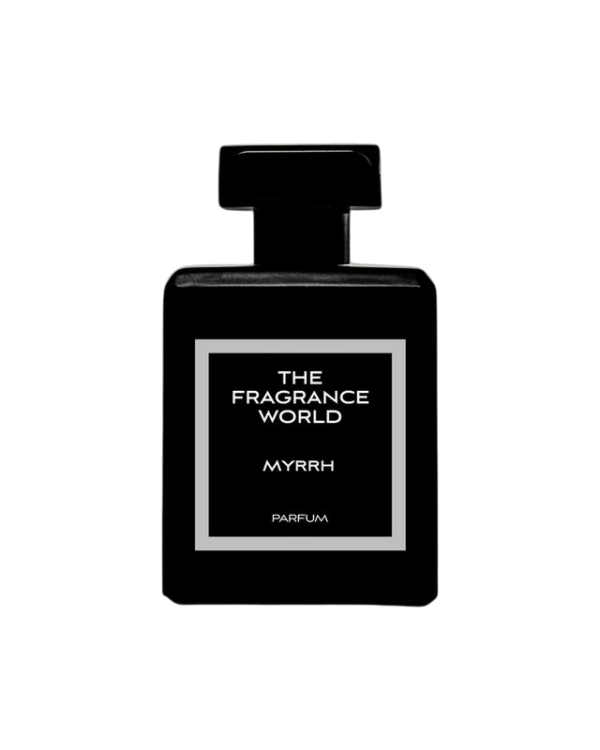
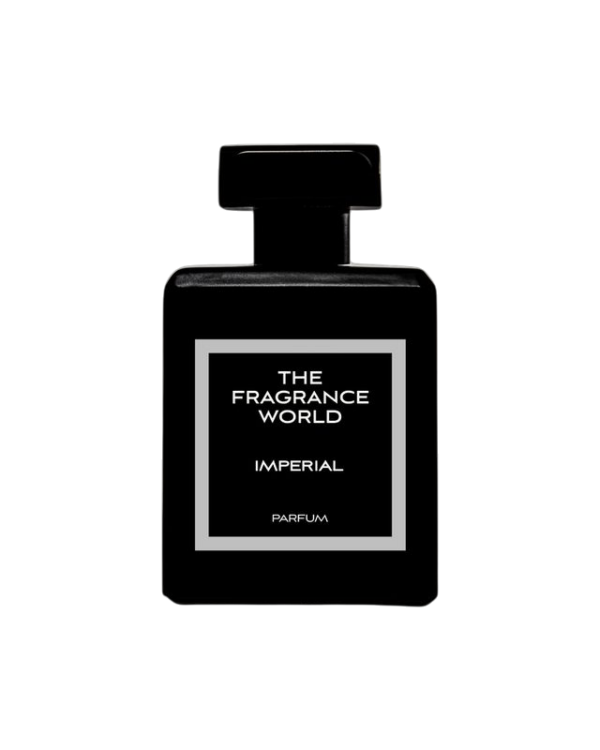
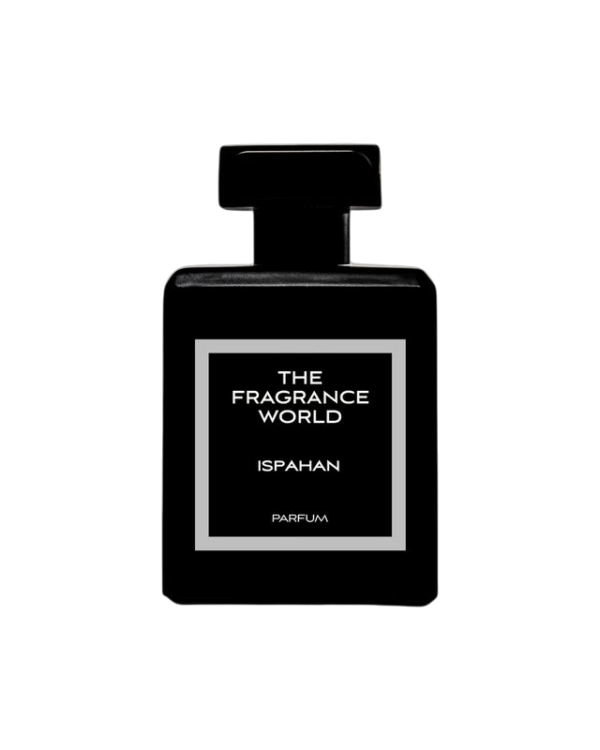
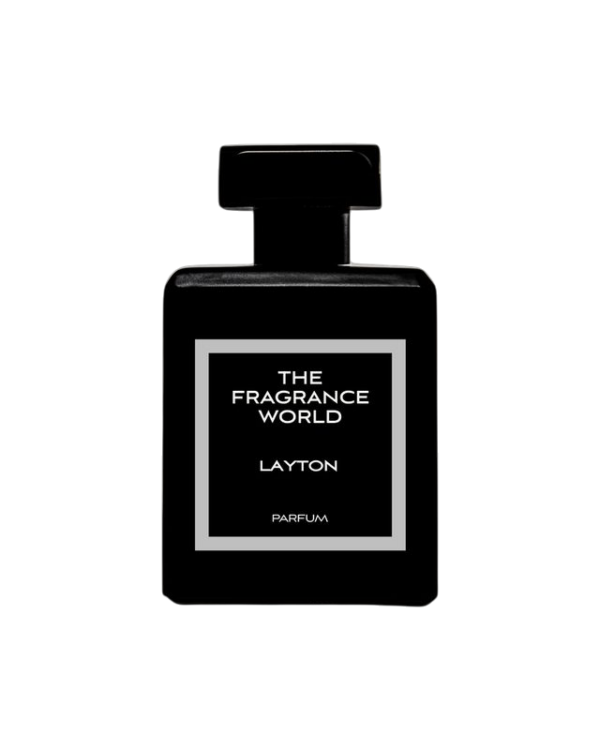
Featured in 26 The Fragrance World perfumes
Common questions about Sandalwood
- What does Sandalwood smell like?
- Mysore sandalwood (Santalum album) is the legendary perfumery wood · creamy, soft, slightly milky, with a meditative quality unlike any other base note. Indian Mysore is now strictly regulated; most commercial sandalwood is now Australian Santalum spicatum.
- Where does Sandalwood come from?
- Australia (modern commercial), India (Mysore · restricted)
- Is Sandalwood a top, heart, or base note?
- Base
- Which TFW fragrances feature Sandalwood?
- 26 TFW fragrances currently feature Sandalwood. See the list on this page for the full set.