

Ambergris
Ambergris is a waxy substance produced in the digestive system of sperm whales and expelled into the ocean, where it cures over years into a sweet, marine, animalic perfumery material. Most modern fragrances use synthetic alternatives (Ambroxan) at a fraction of the cost.
About Ambergris
Ambergris forms in the lower intestine of sperm whales (Physeter macrocephalus) as a fatty cholesterol-rich secretion called ambrein, coating indigestible squid beaks. It is excreted into the ocean as a soft black mass, then floats and cures for years in salt, sun, and microbial action · darkening from black through grey to silver to white over 5-10 years. Cured white ambergris is one of the most prized and expensive natural perfumery materials at £20,000-£40,000 per kilo. The aroma is uniquely complex · sweet, marine, slightly tobacco, slightly animalic, with a luminous warmth that makes other notes shine. Real ambergris remains legal to find, sell, and use in the UK because it is a natural by-product (not hunted) · though banned in the United States since 1972 under the Marine Mammal Protection Act. Most modern fragrances use synthetic alternatives like Ambroxan that recreate the dominant smell at a fraction of the cost. See also our long-form explainer on ambergris in perfumery.
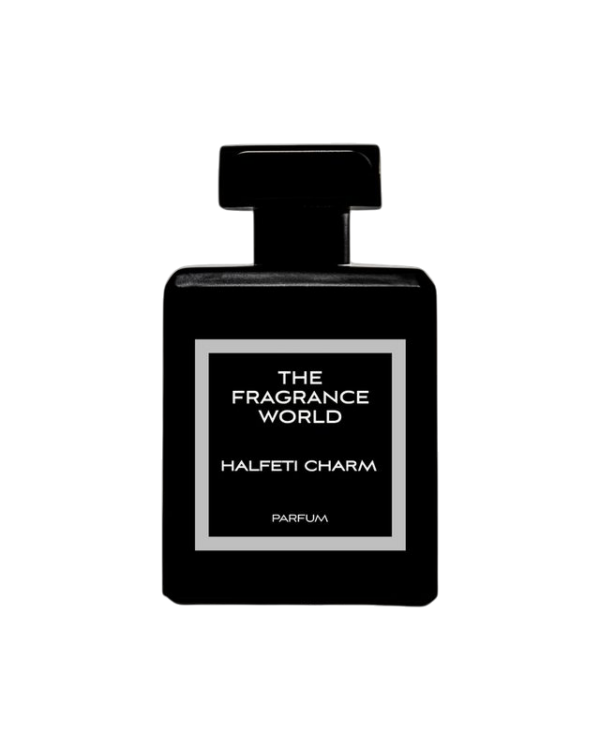
Featured in 1 The Fragrance World perfume
Common questions about Ambergris
- What does Ambergris smell like?
- Ambergris is a waxy substance produced in the digestive system of sperm whales and expelled into the ocean, where it cures over years into a sweet, marine, animalic perfumery material. Most modern fragrances use synthetic alternatives (Ambroxan) at a fraction of the cost.
- Where does Ambergris come from?
- Sperm whale natural by-product · UK legal · most modern fragrances use synthetic Ambroxan
- Is Ambergris a top, heart, or base note?
- Base
- Which TFW fragrances feature Ambergris?
- 1 TFW fragrance currently feature Ambergris. See the list on this page for the full set.